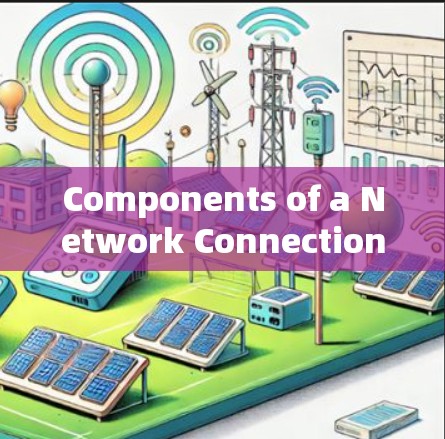

A network connection management system is a crucial component in computer networking that ensures devices can connect to and communicate over a network. It integrates hardware and software components to manage connections, data flow, and security. Here's a breakdown of its components, types, and applications:
-
Hardware Components:
- Cables and Interfaces: Essential for connecting devices and networks.
- Devices: Such as routers, switches, and network cards, which handle data transmission and routing.
- Network Adapters: Bridge hardware between the local network and the external network.
-
Software Components:
- Networking Protocols: Such as TCP/IP, IP, and HTTP, which establish and manage network connections.
- Management Systems: These include protocols like NAT (Network Address Translation) and firewall configurations, which manage traffic between the network adapter and devices.
- Network Segmentation: A method of dividing a network into smaller, independent sections for better management.
- Security Systems: Including encryption, authentication, and secure programming to protect data.
Types of Network Connection Management Systems
-
Centralized Management System:
- Uses a single controller to manage network traffic, routing, and security.
- Suitable for large networks where centralized control is necessary.
-
Distributed Management System:
- Manages different parts of a network through multiple controllers.
- Useful for complex networks with diverse devices and configurations.
-
Public vs. Private Systems:
- Public Systems: Designed for public networks, allowing devices to connect over public Wi-Fi.
- Private Systems: For internal networks, ensuring secure communication and preventing unauthorized access.
Applications of Network Connection Management Systems
-
Routing Traffic:
Ensures data is routed efficiently through the network.
-
Device Management:
Allows devices to communicate and share resources, preventing interference.
-
Security:
Protects networks from unauthorized access and data breaches through encryption and firewall configurations.
-
Optimization:
Improves network performance by optimizing data flow and resource usage.
How It Works Together
- Hardware Integration: Devices use the network adapter to connect to the network.
- Software Execution: Management systems process data to handle traffic, manage connections, and ensure security.
- Networking Protocols: These enable data transfer and routing between hardware and software components.
In summary, a network connection management system is vital for enabling devices to communicate, manage traffic, and secure networks, ensuring efficient and secure data transfer across various networks.